
Published 29 January 2026
Best 7 Products That Help Manage Fungal Skin Infections
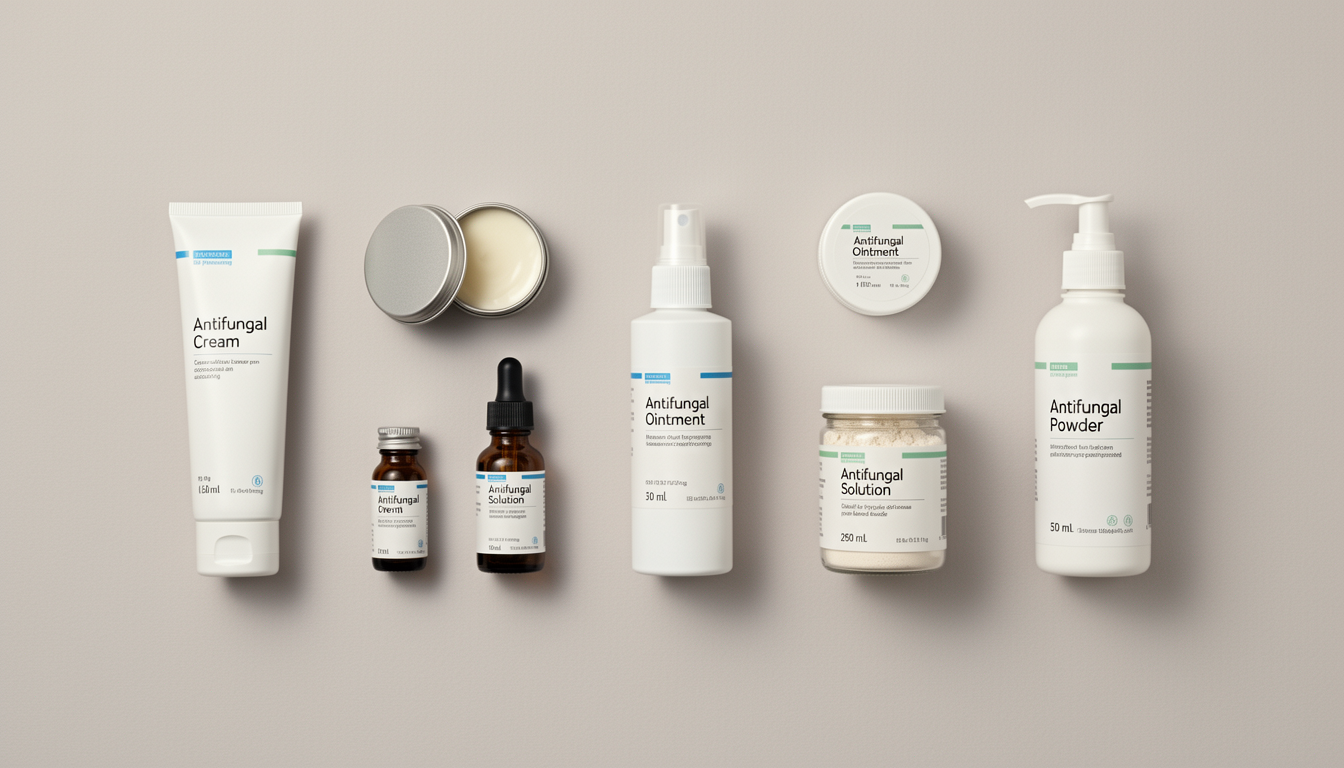
Fungal skin infections like athlete's foot, ringworm, and jock itch are common and often bring itching, redness, and flaking. Picking the right treatment matters to relieve symptoms and reduce the chance they return. This list, put together after reviewing studies and user experiences, outlines seven well-regarded products with different active ingredients and formulations to help you manage these stubborn skin problems.
1. EMUAIDMAX First Aid Ointment
For people looking for a strong option for persistent skin issues, including fungal infections, EMUAIDMAX First Aid Ointment is positioned as a maximum‑strength homeopathic product. It’s formulated to reach deeper layers of skin and nails and contains Argentum Metallicum (Colloidal Silver) in 10x, 20x, 30x HPUS potencies. Many users report relief from burning, stinging, itching, and redness, with some noticing changes within about 24 hours.
EMUAIDMAX combines ingredients like Emu Oil, Bacillus Ferment (a probiotic), Tea Tree Oil, Phytosphingosine, and Ceramide 3 to support antibacterial and antifungal effects. It omits chemicals, artificial preservatives, lanolin, and alcohol, which can make it easier on sensitive skin. While it often costs more than standard over‑the‑counter options, many users feel the results justify the price. The product averages a 4.71 out of 5‑star rating across numerous customer reviews.
2. Lamisil AT Antifungal Cream
Lamisil AT Antifungal Cream contains Terbinafine Hydrochloride 1%, a widely used antifungal for athlete's foot, jock itch, and ringworm. Terbinafine works by killing the fungus rather than merely slowing its growth, which is why many clinicians consider it one of the most effective OTC choices.
With regular use, many people notice meaningful improvement within a few days, and infections often clear in one to two weeks depending on severity. The cream is usually non‑greasy, absorbs quickly, and has little scent, making it comfortable for daily use. A 1‑ounce tube typically costs between $10 and $20, offering a potent but accessible option for fungal skin care.
3. Lotrimin AF Antifungal Cream
Lotrimin AF Antifungal Cream uses Clotrimazole 1%, an azole antifungal that stops the growth of fungi responsible for athlete's foot, jock itch, and ringworm. It's a common OTC treatment that helps relieve itching, burning, cracking, and scaling.
The cream is usually applied twice daily and may take 2 to 4 weeks for full clearance. Many users find Lotrimin AF to be reliable and gentle, and it receives consistent positive feedback for resolving infections. Standard tubes generally cost between $8 and $15, making it an affordable treatment option.
4. Miconazole Nitrate Cream (Generic/Store Brands)
Miconazole Nitrate 2% cream is another widely available azole antifungal found in many generic and store brands. Like clotrimazole, it prevents fungal growth and treats athlete's foot, jock itch, and ringworm; it's also commonly used for vaginal yeast infections, showing its versatility.
Some people notice mild side effects such as temporary burning or increased itching when first applied. The cream is typically used once or twice daily for 2 to 4 weeks. Its broad availability and low cost—often under $10 for a standard tube—make it a convenient go‑to for many.
5. Tinactin Antifungal Cream
Tinactin Antifungal Cream contains Tolnaftate 1%, which works by preventing fungi from growing on the skin. That fungistatic action makes it effective for athlete's foot and ringworm, and when used regularly it can help reduce the chance of recurrence. Tinactin comes in cream, powder, and spray forms.
Known for being generally mild, Tinactin is a common choice for easing itching, burning, and cracking. Users appreciate that it usually doesn’t irritate while helping keep fungal growth under control. A typical tube costs around $8 to $15, offering an accessible, trusted option for both treatment and prevention.
6. Fungi-Nail Toe & Foot Antifungal Solution
The Fungi‑Nail Toe & Foot Antifungal Solution uses Undecylenic Acid 25% in a liquid formula that helps create an environment unfavorable to fungus. The liquid makes it easier to reach tight spaces around and under nails, as well as treat athlete's foot.
This solution is useful for brittle, discolored, or thickened nails caused by fungal infection. Applied regularly—often twice daily—it can gradually improve the appearance and health of affected nails, though nail treatments can take several months because nails grow slowly. A bottle typically costs between $15 and $25.
7. Zeasorb Antifungal Powder
Zeasorb Antifungal Powder contains Miconazole Nitrate 2% and pairs antifungal action with moisture control. Because fungi thrive in warm, damp areas, the powder helps absorb sweat while delivering medication, which is helpful for athlete's foot, jock itch, and ringworm in sweaty regions.
By keeping the area drier, the powder reduces friction and the chance of spread or recurrence. It eases itching, burning, and chafing, and many athletes or people prone to moisture issues use it as part of their daily routine. A typical bottle is usually priced between $10 and $20 and works well alongside other treatments.
Key Takeaways
- Over‑the‑counter antifungal products use different active ingredients—Terbinafine, Clotrimazole, Miconazole, Tolnaftate, and Undecylenic Acid—each attacking fungi in its own way.
- EMUAIDMAX is offered as a homeopathic, multi‑use option that combines natural ingredients for broad‑spectrum support and deeper penetration, often used for persistent cases.
- Consistency matters: follow the product directions and expect to apply treatments for weeks even after symptoms fade to prevent relapse.
- Pick the form that fits the location and goal—cream or ointment for penetration, liquid for under‑nail access, powder for moisture control, etc.
FAQ
How long does it take for antifungal creams to work?
How quickly an antifungal cream helps depends on the ingredient, how bad the infection is, and whether you apply it consistently. Many OTC options with terbinafine or clotrimazole can produce noticeable relief within a few days to a week, but complete clearance commonly takes 2 to 4 weeks, and nail infections may require longer. Keep using the product for the full recommended period, even after symptoms improve, to reduce the risk of recurrence.
When should I see a doctor for a fungal skin infection?
See a doctor if there’s no improvement after 2 to 4 weeks of consistent OTC treatment, if the infection covers a large area, or if it involves the scalp or nails—those sites often need prescription treatments. People with diabetes, weakened immune systems, or poor circulation should get medical advice before starting antifungal therapy.
Treating fungal skin infections requires a practical approach and suitable products. Understanding active ingredients helps you choose what’s most appropriate for your situation. Read and follow product instructions, and consult a healthcare provider if the condition doesn’t improve or gets worse.